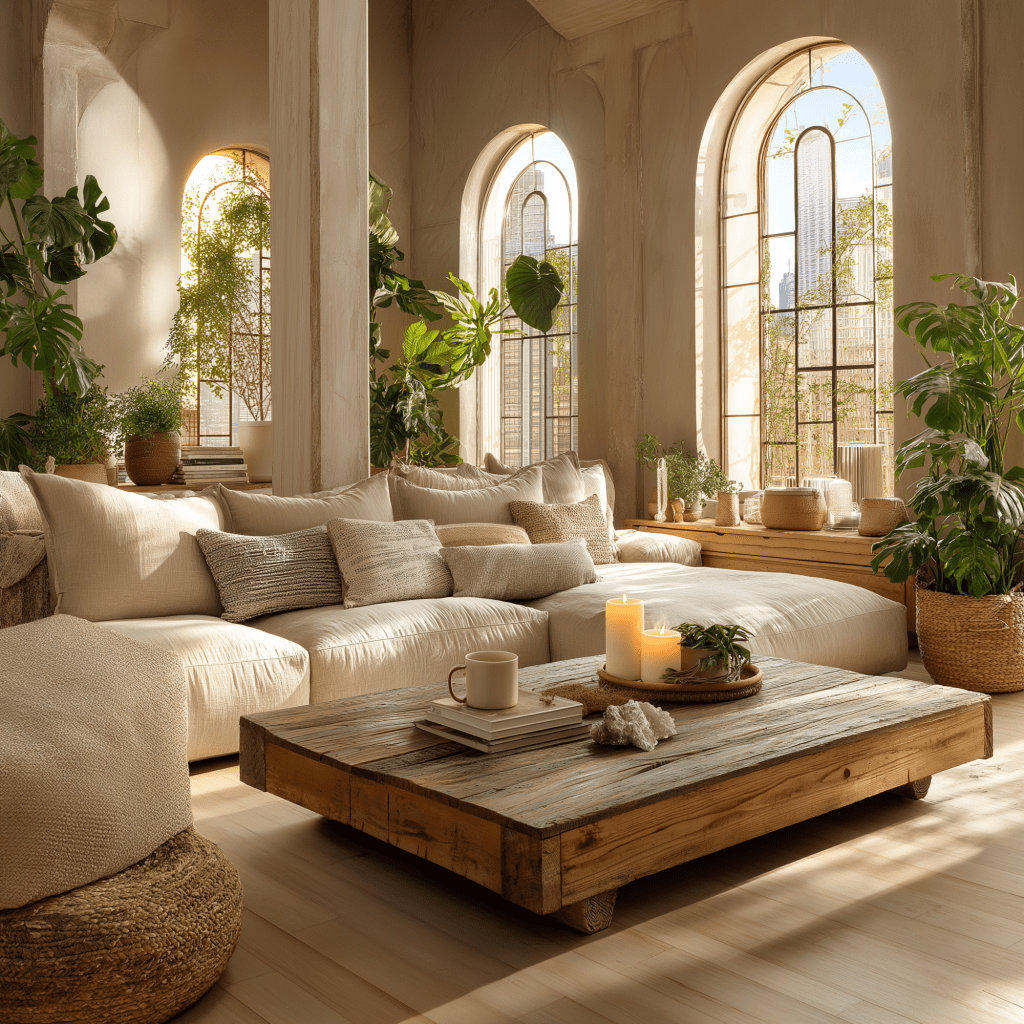
In today’s fast-paced world, where screens dominate and burnout lurks around every corner, it’s no surprise that wellness-centered interior design is rising in popularity. But this isn’t just about adding a few plants or lighting a scented candle. We’re talking about intentionally designed spaces that promote mental clarity, emotional well-being, and even physical health.
Let’s explore how the integration of wellness spaces into your home can enhance your quality of life—and how you can incorporate this beautiful, balanced design philosophy into any size space.
🌿 What Is Wellness Design?
According to the Global Wellness Institute, wellness design refers to the creation of built environments that intentionally support holistic health and well-being. This trend took off post-2020 as people began rethinking how their homes affect their sleep, focus, mood, and even immune system.
Rather than focusing purely on aesthetics, wellness design is about function with feeling—creating environments that help you thrive physically, emotionally, and spiritually.
🔗 Source: Global Wellness Institute – Wellness Architecture
☀️ 1. Let the Light In: Circadian Lighting
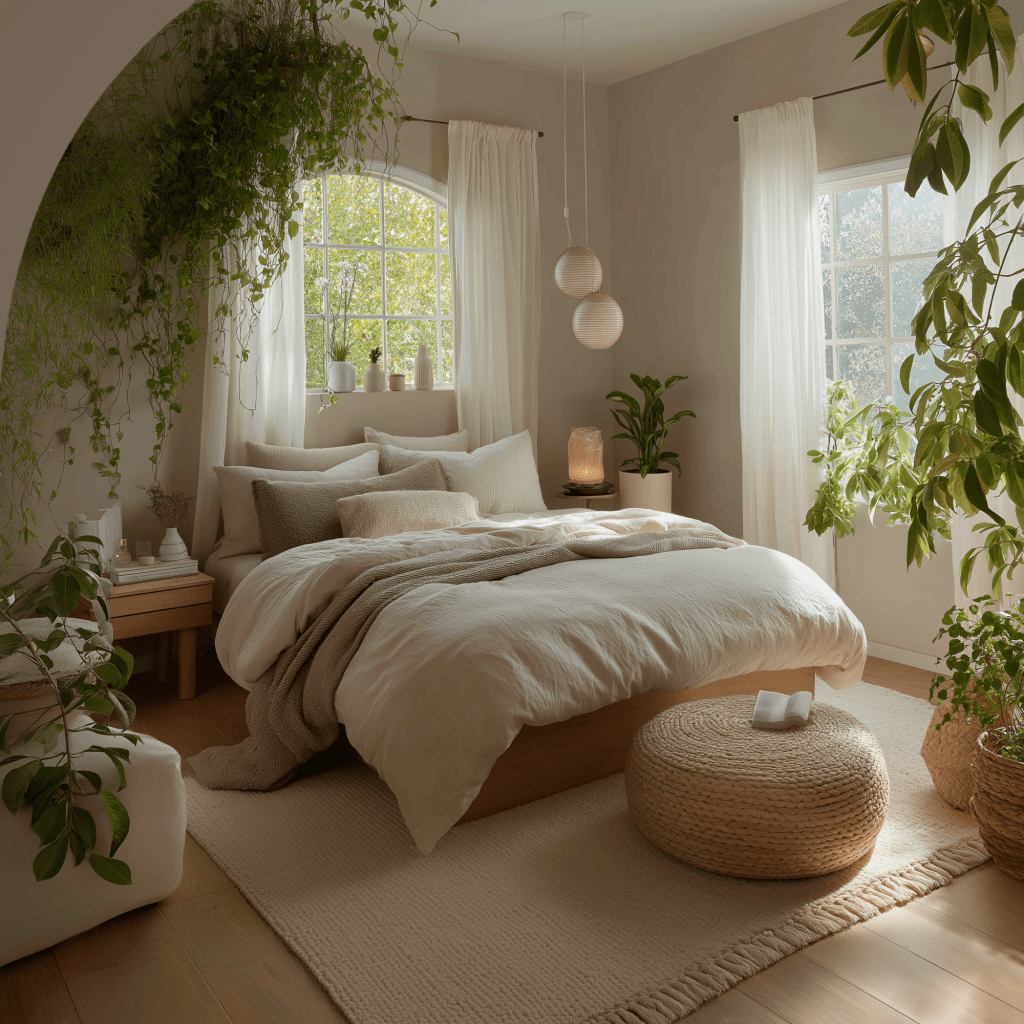
Lighting is more than ambiance—it’s biology. Our bodies follow a natural rhythm (the circadian cycle), and when lighting mimics that, it can improve our sleep quality, productivity, and mood.
Design Tip: Use automated smart lighting or dimmable LED lights that shift color temperature throughout the day. Morning? Cool blue-toned light to energize. Evening? Soft amber hues to wind down.
🔗 Credible Insight: A study by Harvard Medical School links poor lighting environments to disrupted sleep and increased stress. (Harvard Health Publishing)
🪴 2. Biophilic Design: Nature as Your Co-Designer

Biophilia—the human tendency to seek connection with nature—is a powerful driver in wellness design. And no, you don’t need a forest retreat. Incorporate natural elements like wood, stone, greenery, and water to instantly create calm.
Design Tip: Even something as simple as a vertical herb garden in your kitchen or a moss wall in your bathroom can make a big impact.
📚 Study Support: Research published in Frontiers in Psychology found that nature-inspired interiors can reduce stress and improve cognitive performance.
🧘♂️ 3. The Home Sanctuary: Carving Out Space for You

From yoga corners to meditation nooks, dedicated wellness areas are becoming essentials in modern homes. These spaces encourage mindfulness and daily rituals that ground and center us.
Design Tip: Use soothing colors like sage green or lavender, add a plush rug or mat, and limit electronics. It doesn’t need to be big—just intentional.
🧘 Example: A cozy alcove by a window with a meditation cushion and a salt lamp can be your personal retreat within a busy home.
🚿 4. Spa-Inspired Bathrooms: Self-Care Starts Here
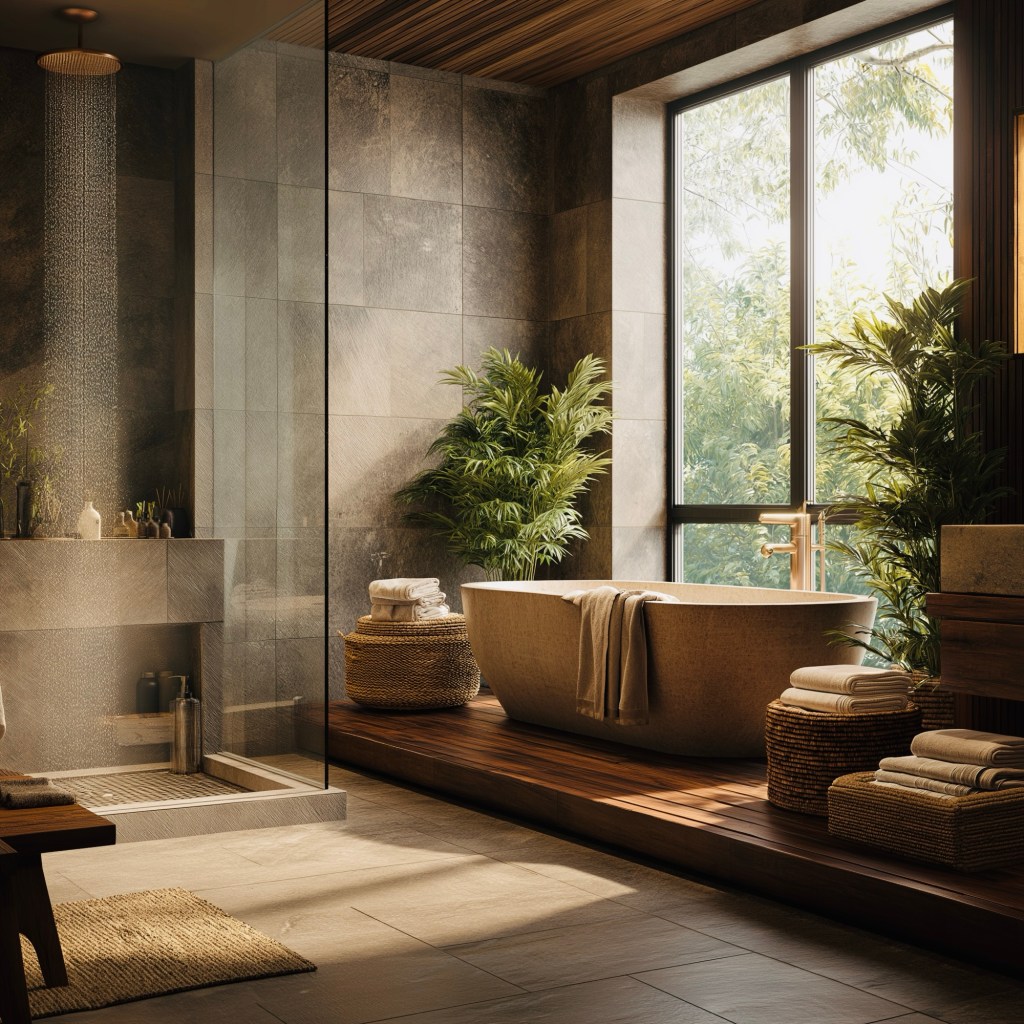
The bathroom is evolving into a wellness retreat. Think oversized rainfall showers, freestanding tubs, ambient lighting, and even aromatherapy.
Design Tip: Upgrade your bath experience with calming textures (like teak wood or river rock) and elements like eucalyptus bundles in the shower.
🔗 Trend Insight: According to Houzz’s 2024 Bathroom Trends Study, over 40% of homeowners now prioritize spa-like features when remodeling their bathrooms.
🪑 5. Ergonomics and Flexibility in Home Offices
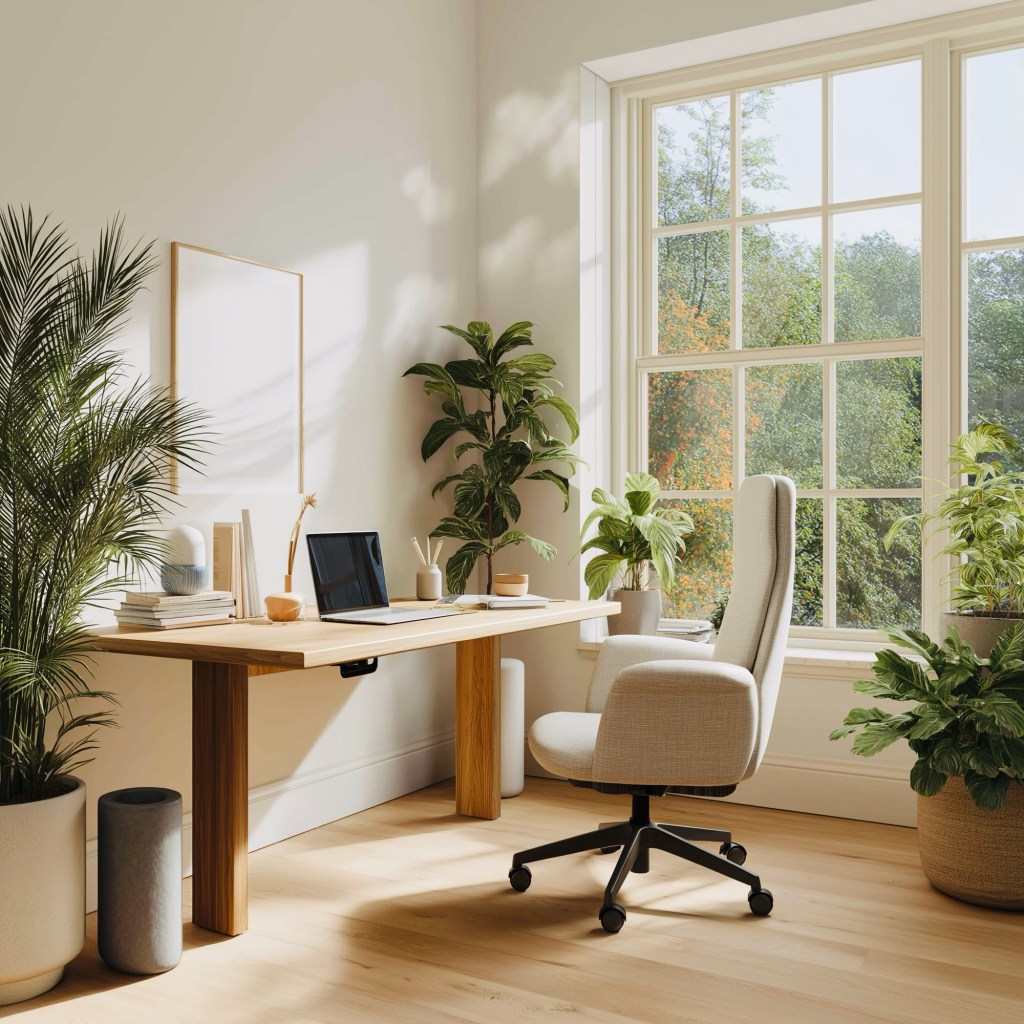
Wellness isn’t all about Zen—sometimes it’s practical. Your home office setup affects posture, energy, and long-term health. The rise of hybrid work makes ergonomic design more important than ever.
Design Tip: Choose an adjustable chair, add a sit-stand desk, and allow natural light to hit your workspace. Bonus: Add a small water feature or plant to boost your mood mid-Zoom call.
🔗 Fun Fact: According to the WELL Building Standard™, physical comfort and environmental quality are key pillars of wellness in interior spaces.
🧼 6. Clean Air & Toxin-Free Living
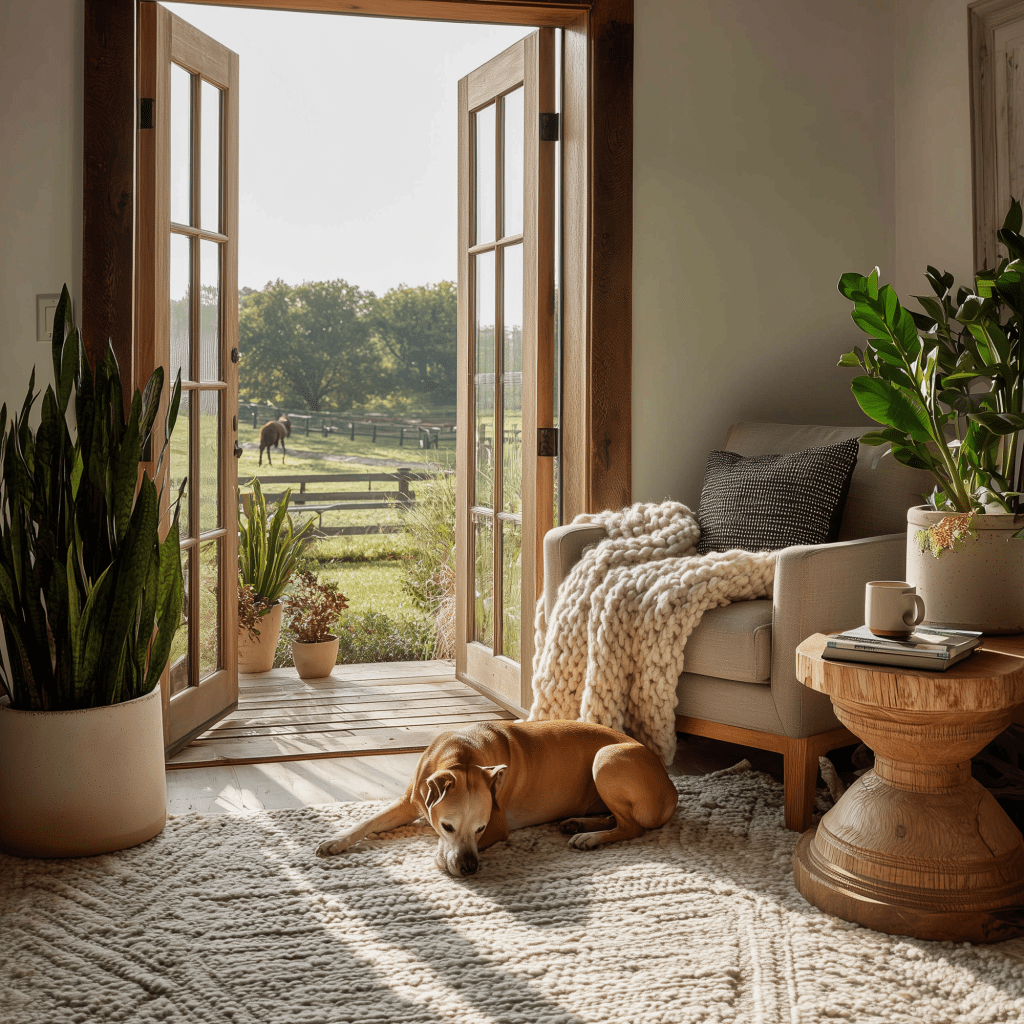
Wellness also means reducing what you can’t see. Indoor air quality plays a major role in long-term health. VOCs (volatile organic compounds) from paint, furniture, and cleaning products can negatively impact well-being.
Design Tip: Choose low-VOC finishes, add a HEPA air purifier, and keep windows open when possible. Plants like snake plants and peace lilies are also natural air purifiers!
🌱 EPA Support: The U.S. Environmental Protection Agency lists indoor air as one of the top five environmental risks to public health.
🛋️ Putting It All Together: Designing with Intention
The key to wellness design? It’s not about perfection—it’s about purpose. You don’t need a luxury renovation to begin. Start with a single wellness corner, a few mindful materials, or a lighting tweak. These small changes can compound into powerful results.
✨ Final Thoughts
At Visionary Vibes by Design, we believe every home should nurture the soul as much as it inspires the eye. Integrating wellness design is more than a trend—it’s a lifestyle shift that prioritizes your peace, presence, and personal health.
Ready to start designing your wellness sanctuary? Let’s vibe in a space that makes you feel alive—not just organized.
Want more ideas?
📌 Follow me on Pinterest: @VisionaryVibesbyDesign
🌐 Visit: www.VisionaryVibesbyDesign.com
 Visionary Vibes by Design
Leave a comment