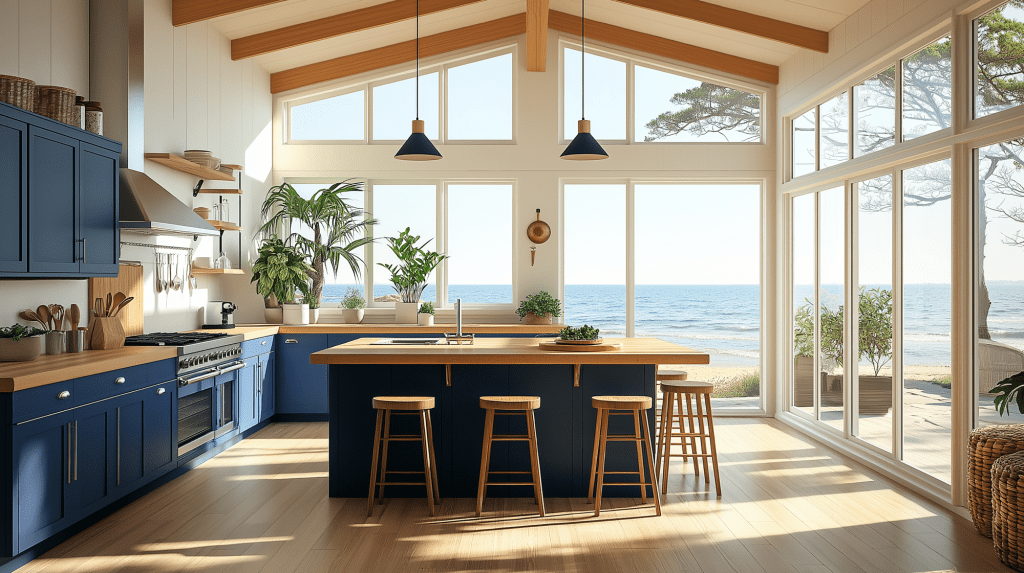
Whether you’re redesigning your kitchen or revamping your entire home, understanding the core principles of interior design will help you create a space that is both beautiful and functional. At Visionary Vibes by Design, we believe that smart design isn’t just about aesthetics—it’s about improving the way you live. In this post, we’re diving into the foundational principles of design, supported by credible sources such as the American Society of Interior Designers (ASID) and the American National Standards Institute (ANSI).
Why Design Principles Matter
Design principles are the guidelines that interior designers use to create visually pleasing, safe, and accessible environments. These aren’t just artistic opinions—they’re informed by decades of research, user behavior studies, and building codes. Many are codified through organizations like ASID, which sets professional standards for designers, and ANSI, which develops accessibility and safety standards for built environments.
1. Balance: Visual Harmony in Every Room
According to ASID, balance in design refers to the even distribution of visual weight in a space. It can be:
- Symmetrical, often found in traditional interiors with matching elements on either side of a central point.
- Asymmetrical, which creates interest by using different objects of equal visual weight.
- Radial, where elements are arranged around a central focal point, such as a chandelier over a round dining table.
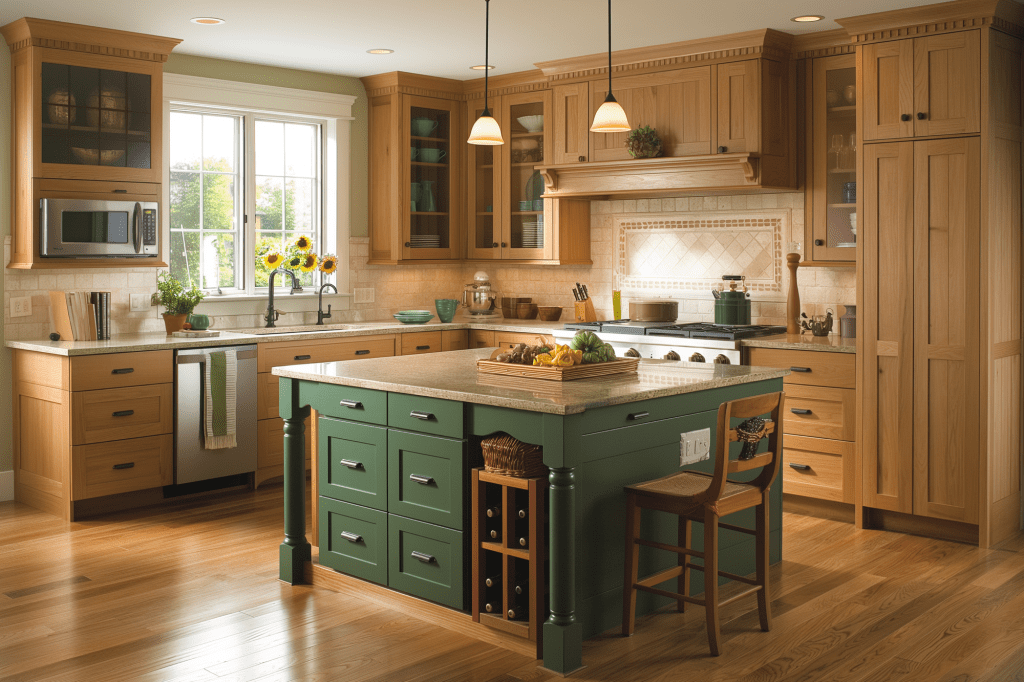
✨ Tip: In kitchen design, balance might mean placing tall cabinetry on both sides of a cooktop or using symmetrical pendant lighting above an island.
2. Functionality and Flow: Guided by ANSI Standards
The ANSI A117.1 Accessible and Usable Buildings and Facilities standard outlines key accessibility considerations such as:
- Minimum clearances for passageways (usually 36 inches wide for accessibility)
- Work triangle guidelines for kitchens to ensure efficient movement between sink, stove, and refrigerator
- Reach ranges for cabinets and appliances to accommodate users of all abilities
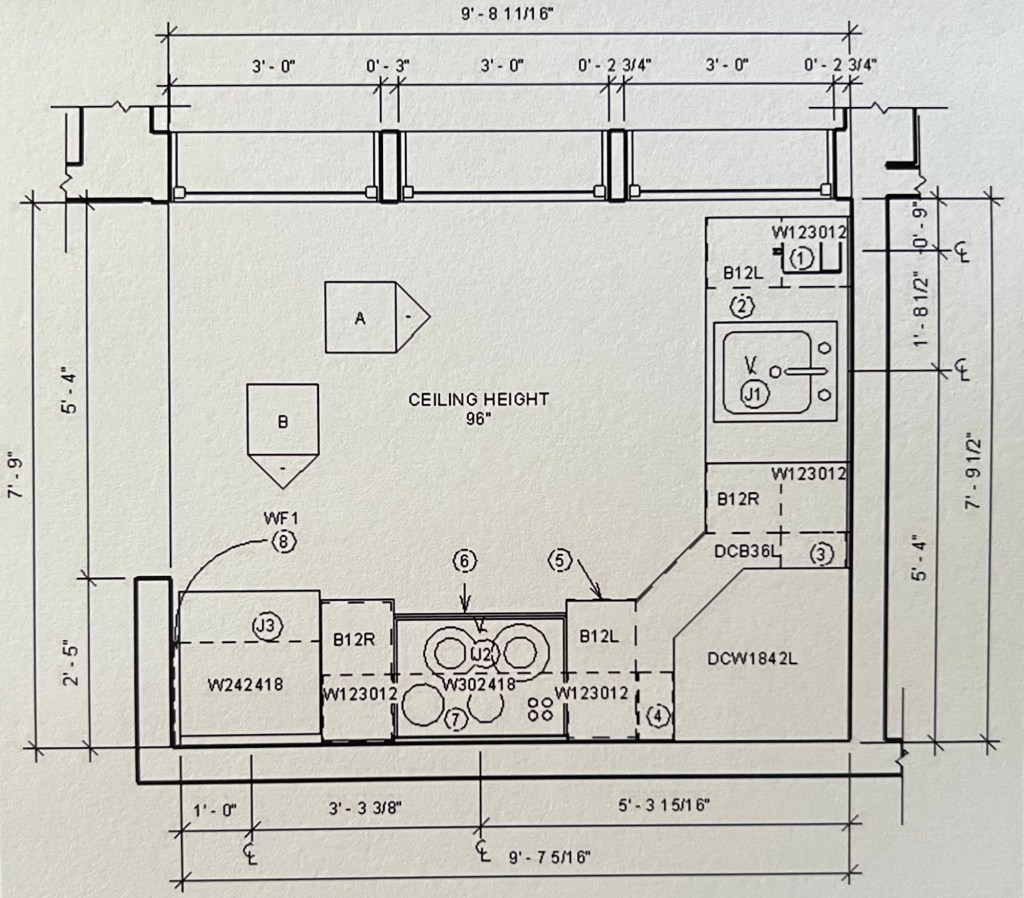
✅ Incorporating these standards not only ensures compliance but also improves overall functionality and comfort for everyone in the home.
3. Rhythm and Repetition: Keeping the Eye Engaged
Rhythm in interior design creates a sense of movement through the repetition of colors, shapes, textures, or patterns. ASID encourages using rhythm to guide people naturally through a space.
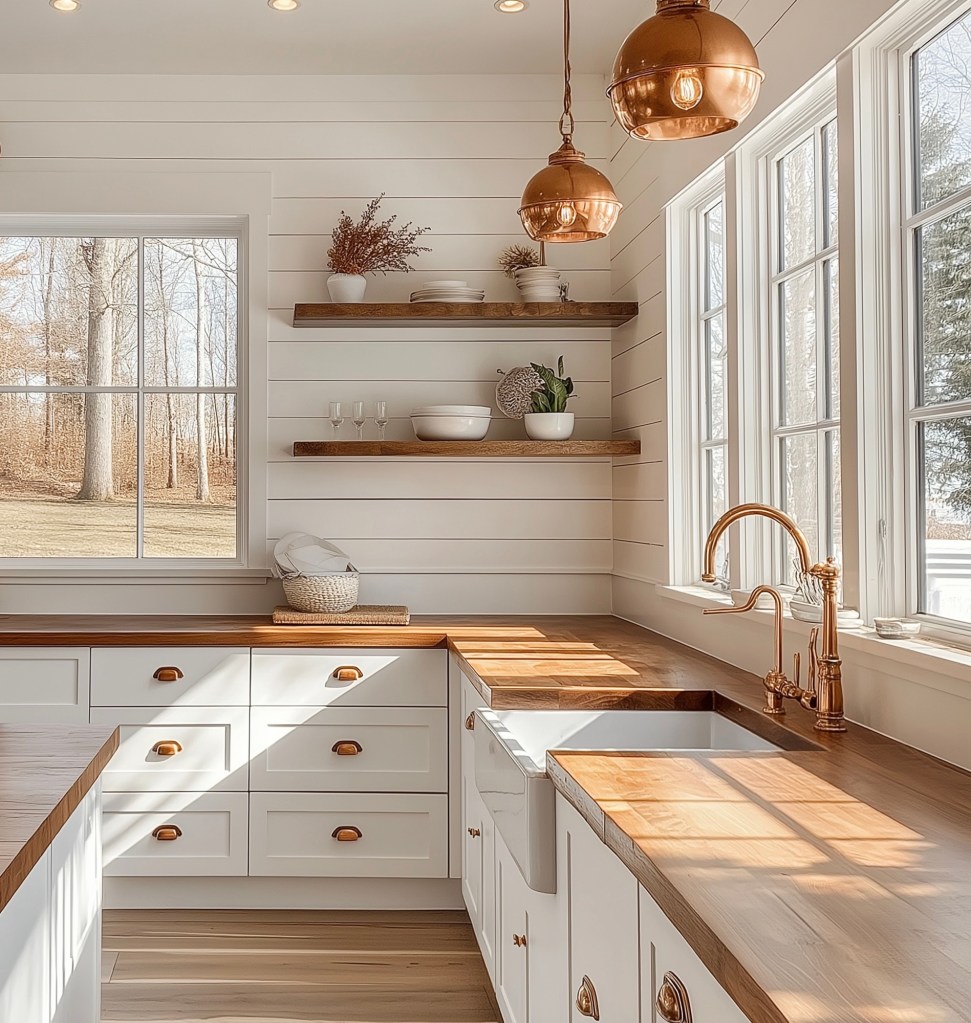
🔁 For example, repeating the same metal finish (copper) on cabinet handles, lighting fixtures, and faucet creates a cohesive flow in a kitchen.
4. Scale and Proportion: Sizing with Intention
According to ASID design principles, scale refers to how an item relates to the size of the room, while proportion refers to how elements relate to each other.
📏 A large farmhouse table might overwhelm a small kitchen, while a tiny pendant light could disappear in a grand foyer. Proper scaling ensures each piece complements the space it occupies.
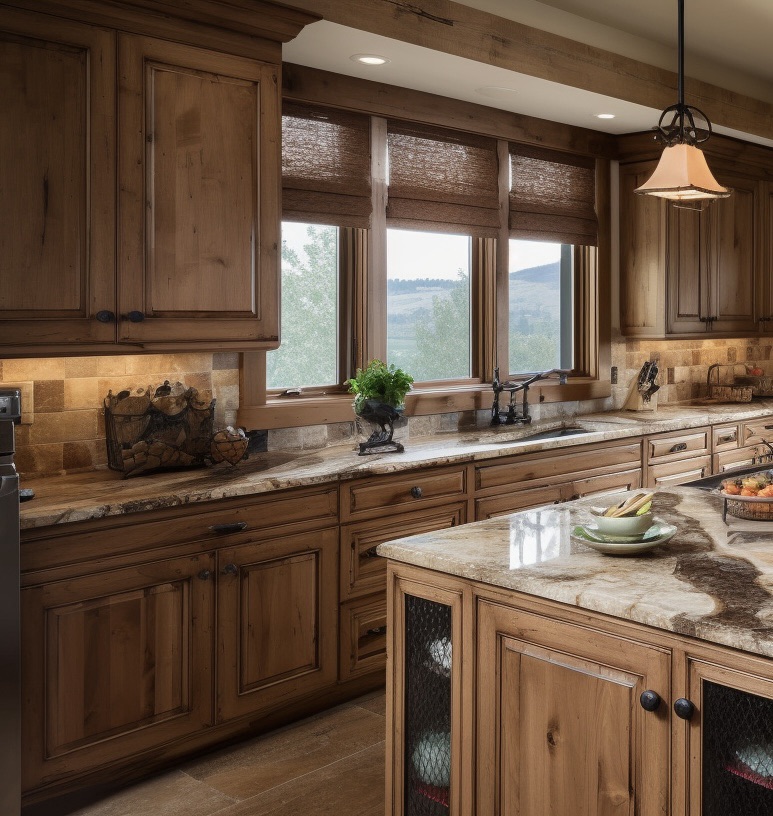
5. Contrast and Emphasis: Creating Focal Points
Using contrast—light vs. dark, rough vs. smooth, modern vs. rustic—adds visual interest. Emphasis helps you guide the viewer’s attention to key features, such as a statement backsplash or a range hood with custom millwork.
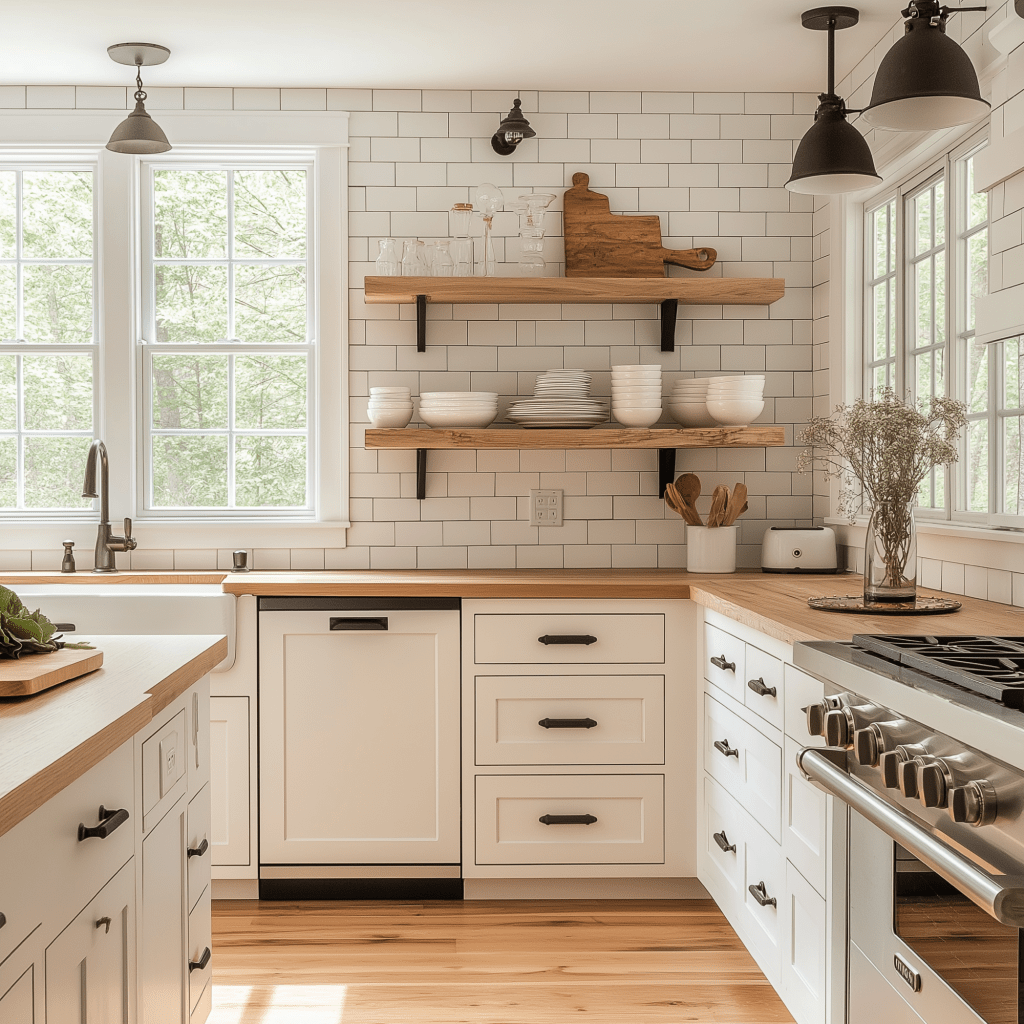
🎯 Design Insight: Every room should have a focal point, and your job is to emphasize it, not compete with it.
6. Unity and Harmony: Pulling It All Together
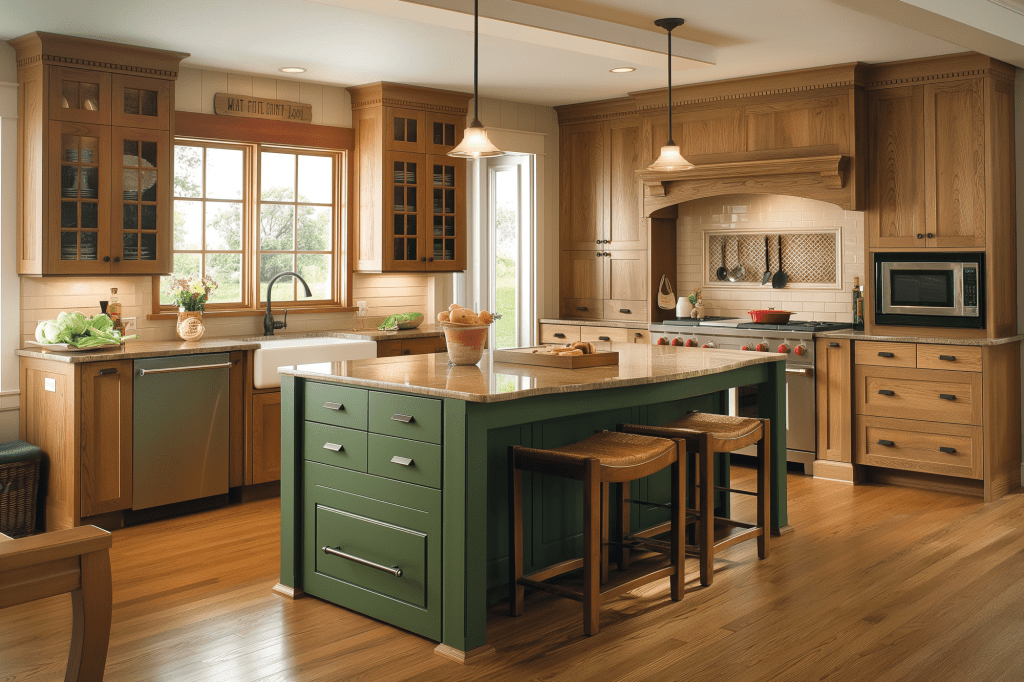
Unity ensures all design elements work together in a coherent and cohesive way. ASID recommends repeating key elements like materials, finishes, and colors across spaces to create flow and harmony.
🪵 For example, using the same wood species for both flooring and cabinetry ties the space together without feeling matchy-matchy.
Professional Design Backed by Industry Standards
As a designer with years of experience in both aesthetic design and construction estimating, I ensure every space I touch aligns not just with trends—but with proven standards that elevate usability and beauty.
For more detailed information on these principles, visit:
- ASID Design Standards
- ANSI A117.1 Accessibility Standards
- NKBA Kitchen Planning Guidelines (National Kitchen & Bath Association—another invaluable resource)
🔍 Disclaimer and Review Note
Disclaimer: The design principles and guidelines shared in this post are based on best practices supported by respected industry organizations including the American Society of Interior Designers (ASID), the American National Standards Institute (ANSI), and the National Kitchen & Bath Association (NKBA). While these standards are stable and widely adopted, building codes and accessibility regulations can vary by location and may be updated periodically.
Always consult with a licensed professional or check local code requirements before implementing any structural changes in your home.
 Visionary Vibes by Design
Leave a comment